The Dealer Blackjack Rule Nobody Explains Properly
The dealer blackjack rule is the single most misunderstood mechanic in table gaming, and it costs players real money every single night. When the dealer's upcard is an Ace or a ten-value card, the entire mathematical foundation of the hand shifts. This is not a minor detail. It is the difference between a profitable session and a slow bleed.
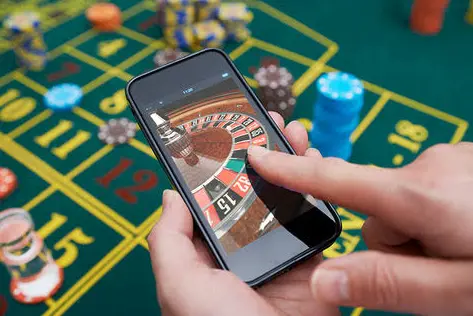
When the Dealer Peels a Blackjack
Here is the brutal truth: if the dealer has a natural, the hand ends immediately. Every player at the table loses their original bet, regardless of how strong their own hand looks. You could be sitting on a 20. It does not matter. The dealer blackjack rule overrides everything. In most modern shoe games, the dealer will check for blackjack when showing an Ace or a ten. If the natural is there, the round is dead on arrival. 💀
But here is where it gets interesting. The procedure varies by jurisdiction and table type. In European no-hole-card games, the dealer does not check. They simply deal out the hand, and if a natural lands, all player doubles and splits are lost too. That is a catastrophic variance spike that most casual players never see coming. The dealer blackjack rule in these formats is a silent killer.
The Hole Card Peek and Its Implications
American-style games use a hole card, and the dealer peeks under a ten or Ace. This peek changes the probability calculus completely. When the dealer checks and does not have blackjack, the player gains a tiny but measurable edge on subsequent decisions. The removal of that Ace or ten from the deck shifts the remaining composition. Sharp players track this. Tourists do not.

The dealer blackjack rule also dictates how insurance bets resolve. Insurance is a side wager that pays 2:1 when the dealer has a natural. It looks like protection. It is actually a trap. The house edge on insurance is roughly 5.9% in a six-deck game. Only card counters with a true count of +3 or higher should ever touch it. Everyone else is donating money to the casino's bottom line.
Player Blackjack vs Dealer Blackjack
What happens when both you and the dealer have blackjack? In almost every standard game, it is a push. You get your bet back. No profit, no loss. But some tables, particularly in certain Asian markets and promotional games, pay player blackjack at full odds even against a dealer natural. That is a massive rule variation worth hunting down. 🎯
The key distinction is the order of resolution. Player blackjack is resolved first in most rule sets. If the dealer subsequently reveals a natural, the hand pushes. If the dealer does not have it, the player is paid 3:2 immediately. This sequencing matters enormously for expected value calculations.
Surrender and the Dealer Natural
Late surrender gives you an out when the dealer shows an Ace or ten. You forfeit half your bet and walk away before the dealer checks. But here is the catch: if the dealer has blackjack, late surrender is void. You lose the full bet. The dealer blackjack rule nullifies your surrender option entirely. Early surrender, by contrast, protects you even against a dealer natural. That rule is nearly extinct in modern casinos because it is too player-friendly.
The Mathematical Reality
Dealer blackjack occurs roughly 4.8% of the time in a six-deck shoe. That frequency sounds low, but over thousands of hands, it represents a significant drag on your bankroll. The rule variations surrounding it, peek versus no-peek, hole card versus no-hole-card, early versus late surrender, create massive swings in house edge. A no-peek game adds approximately 0.11% to the house advantage compared to a peek game. That is not noise. That is a structural leak.
Every serious player must audit these rules before sitting down. Ask the floor supervisor directly. Watch a few hands. Confirm whether the dealer checks, whether surrender is available, and how player naturals are treated against dealer naturals. The answers determine whether you are playing a beatable game or a charity operation. 🔍